A beetroot shot is a small bottled serving of beetroot-based juice, designed to be drunk in one or two gulps rather than sipped from a larger bottle. Brands choose the format for portability, a strong taste and a compact shelf footprint, and developing one involves decisions that differ from a standard juice. This article covers the main choices: bottle size, recipe style, taste balance and the brief you should prepare before sampling.
What is a beetroot shot?
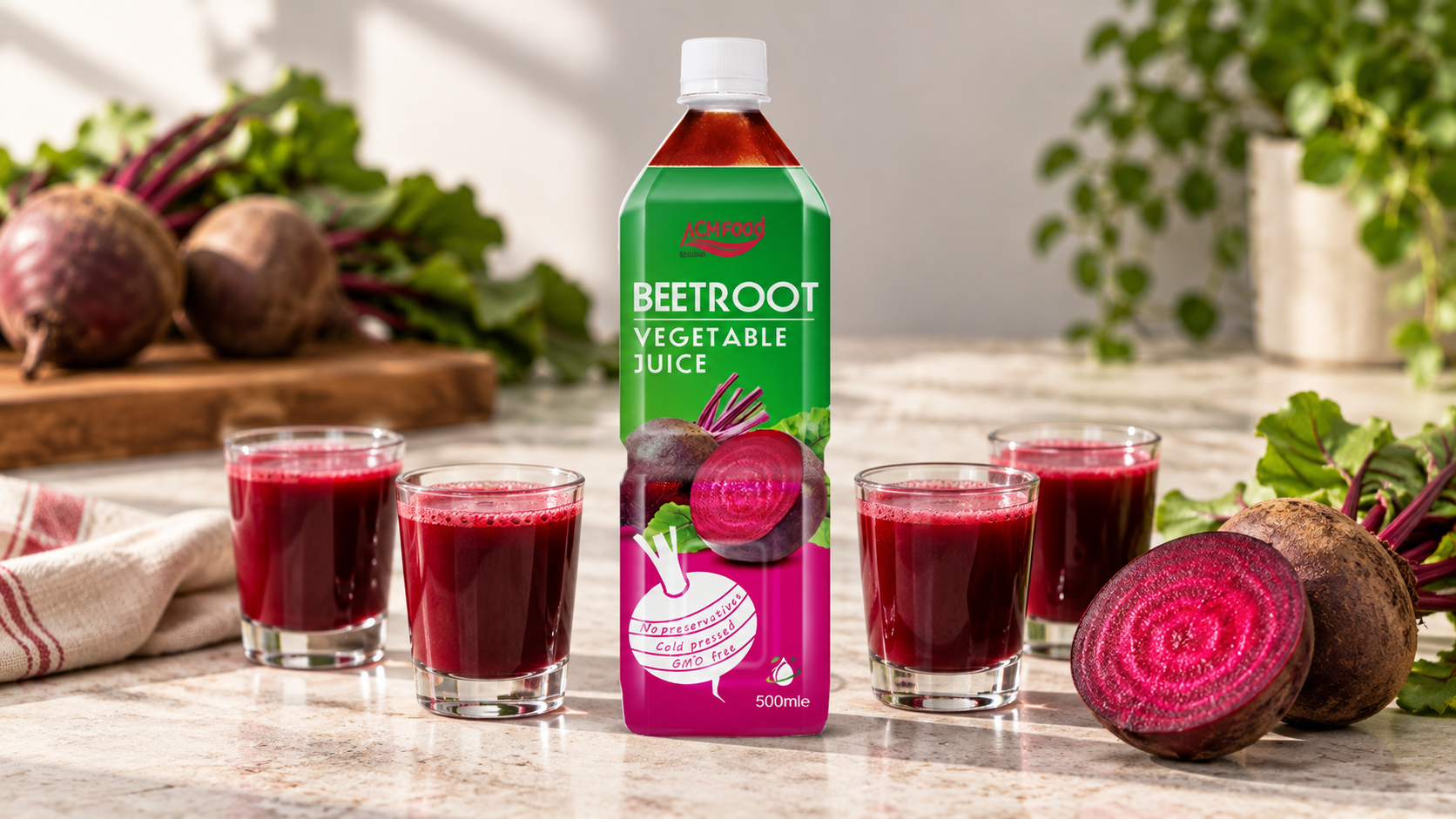
A beetroot shot is a small-format drink, usually sold in a bottle that holds a single serving, made mainly from beetroot juice and sometimes combined with other juices, ginger or lemon. The serving is small, so the flavour is concentrated in how it is perceived, not necessarily in how it is made.
The format sits between a standard juice bottle and a functional ampoule. It signals a concentrated, deliberate drink instead of a refreshing one. That positioning shapes the packaging, the price tier and the taste profile you aim for.
How big is a beetroot shot bottle?
Shots are typically sold in bottles of roughly 60 to 100 ml, a common range in the category, though brands pick sizes by serving idea and shelf plan. A smaller bottle feels more like a shot and costs less per unit to ship; a slightly larger bottle feels more generous and is easier to fill and label.
Think through three points before fixing a size:
- Serving idea: one gulp, two sips or a daily ritual.
- Pack mix: single bottles, multipacks or a tray for a display.
- Retail context: chilled shelf, ambient shelf or a counter display.
Only supply formats that exist in the available range should be promised to buyers, so check what sizes and closures are available before finalising artwork.
What goes into a beetroot shot recipe?
The most common recipe styles are listed below. They differ in taste, sugar line and consumer message.
| Recipe style | Typical taste | Positioning notes |
|---|---|---|
| Pure beetroot | Earthy, bold, deep colour | Vegetable-forward, minimal ingredients |
| Beet and ginger | Warm, slightly spicy | Energetic, “functional-style” feel |
| Beet and apple | Sweeter, softer | Easier for first-time drinkers |
| Beet and citrus | Bright, sharper | Fresh feel; acidity helps colour stability |
None of these require health claims to succeed. In fact, avoiding disease or performance claims keeps the label simpler and reduces risk in markets where claims are strictly regulated.
How do you balance taste in a small serving?
The serving is so small that the first impression decides whether someone drinks it again. Earthiness is the main challenge. A pure shot is honest but divisive. A shot with a little apple or citrus is more broadly accepted.
Ginger needs careful dosing, because a level that feels pleasant in a large glass can feel sharp in a shot. Acidity from lemon or lime lifts the taste and also supports colour. Always taste at the temperature the consumer will drink it, usually chilled, because bitterness and sweetness change with temperature.
What should a private-label brief include?
A clear brief saves rounds of sampling. Private-label here means a finished drink produced for your own brand, with your recipe direction and label. Include:
- Bottle size and closure preference.
- Recipe style: pure, ginger, apple or citrus blend.
- Taste target in plain words, for example “bold but not harsh”.
- Sugar positioning and any “no added sugar” ambition.
- Target markets and the labelling rules that apply there.
- Whether the product is sold chilled or ambient.
- Your pack design, to be checked against filling limits.
The brief should avoid fixed numbers that you cannot back with testing. Ask for sample rounds to confirm taste, colour and shelf behaviour before locking the formula. For more on how a finished beetroot product is developed with a supplier, read beetroot juice OEM and private label production.
How does packaging protect colour?
The red-violet pigment dislikes light and oxygen, so packaging does real work for a beetroot shot. Dark or amber glass blocks more light than clear glass. Tight closures limit oxygen. Clear bottles look attractive but need stable storage conditions and tested shelf behaviour.
Check how the bottle will be filled, closed and labelled before you commit to a design. A beautiful label that conflicts with closure or fill height creates delays.
What claims can a beetroot shot carry?
That depends on the recipe, tested values, serving size and the rules in each target market. A blog post, including this one, is not a basis for a label claim. If you plan a claim, confirm it with a qualified regulatory adviser in the destination market and base it on analysis of your final product.
A safe and effective default is to describe taste, ingredients and format, which are easy to verify, and avoid statements about treating, preventing or improving health conditions.
Where beetroot shots fit in the range
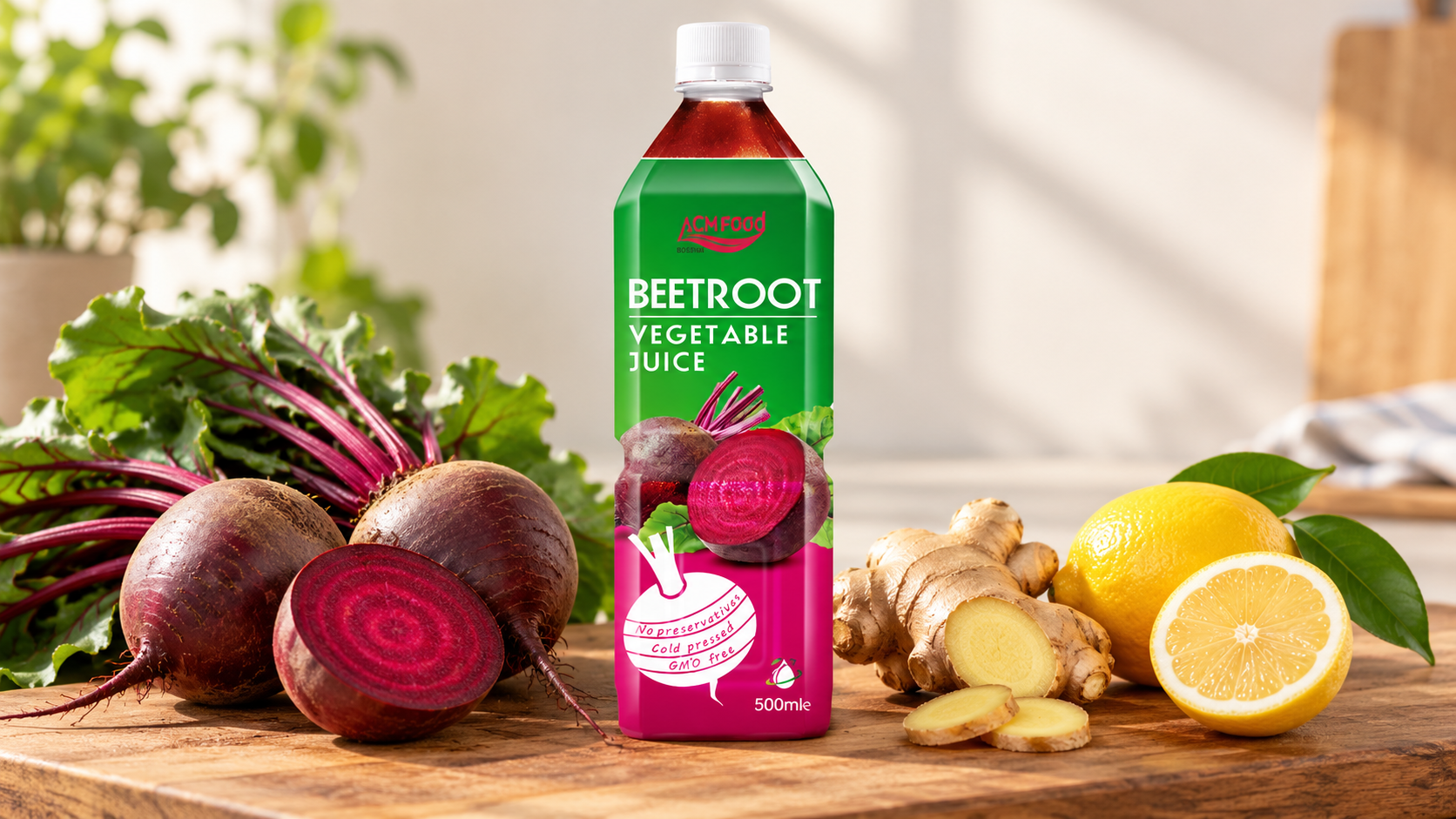
A shot rarely stands alone. Many brands pair it with a larger bottle of beetroot juice or a blend. If you are exploring the wider range, the beetroot juice category shows how the base ingredient appears in different products,.
How does a beetroot shot differ from a standard juice for development?
Small servings change the maths of almost every decision. Because the fill volume is small, the cost of the bottle, closure and label is a larger share of the total, so packaging choices matter more than they do for a large juice bottle. The taste has fewer sips to make an impression, so the first second carries more weight. And because shots are often positioned as a deliberate, premium purchase, consumers notice details such as how the bottle feels in the hand and how easy the cap is to open.
For a developer this means working in a slightly different order: choose the bottle and closure first, then tune the recipe to taste right in that serving, then check that the label can be read comfortably on a small surface.
What should you check on bottle, closure and label?
A shot bottle that looks good in a render can still cause problems on a filling line or in a handbag. Walk through this list with the packaging supplier before approving artwork.
- Neck and closure: a tamper-evident cap that opens easily without spilling is a real selling point for a small drink.
- Glass or PET: glass feels premium but weighs more; PET is light and shatter-resistant. Either must suit the chosen treatment and storage.
- Colour of the bottle: amber or dark glass protects the pigment from light; clear bottles show the colour but need stable storage.
- Label area: small bottles leave little room, so decide which statements are mandatory in your market and fit them first.
- Secondary pack: multipacks and trays need to be sized to the bottle, so confirm dimensions early.
Ask for a physical sample in the real bottle with a real label before you finalise the design. Mock-ups hide many small problems.
How do you test a beetroot shot recipe?
Run a short, structured sequence of trials instead of changing many variables at once.
- Fix the base: pure beetroot or a simple beet and apple blend.
- Taste at the temperature the consumer will drink it and write down the first impression and the finish.
- Adjust one variable at a time: sweetness, acidity, ginger or citrus.
- Check colour in the final bottle, under shop lighting and in daylight.
- Store samples at the intended storage temperature and re-taste at intervals, so you learn how the recipe ages.
- Ask people outside the project to taste blind and tell you what they think the drink is.
The last step is often the most revealing. If tasters describe the drink differently from your brief, adjust the recipe or the brief before you spend money on packaging.
Which markets and channels suit a beetroot shot?
Shots tend to sell where consumers already expect small, concentrated products: cafes, gyms, health shops, convenience counters and online subscription boxes. Each channel has its own needs. A chilled counter needs a product that is designed for chilled storage. An online box needs bottles that survive shipping and a label that stays readable.
| Channel | What matters most | Questions to settle |
|---|---|---|
| Cafe or counter | Visibility, easy grab | Chilled or ambient, display unit size |
| Retail shelf | Barcode, shelf life, price tier | Shelf-life target, pack count |
| Online | Shipping protection, clear storage notes | Bottle strength, carton design |
| Corporate or gift | Presentation | Gift pack format, label style |
Pick one primary channel for the first launch. A product designed for every channel at once tends to be a compromise in all of them.
What is the difference between white label and private label for a shot?
Both describe a finished product sold under your brand. In a white-label arrangement you choose from an existing recipe and apply your label. In a private-label arrangement you direct the recipe, such as the ginger level or the base blend, and the product is made to that direction. The practical difference is how much development time and sampling you need. Whichever route you choose, ask for the recipe direction, the bottle options and the sampling steps in writing so both sides agree on what is being made.
Common mistakes when launching a beetroot shot
- Choosing a clear bottle without a plan to protect colour.
- Overdosing ginger because it tastes fine in a large sample cup.
- Printing claims that were copied from another brand.
- Ignoring how the label reads on a small bottle.
- Skipping a shelf-life check because the first samples looked good.
How should you read sample feedback?
Feedback from sampling rounds is only useful if you collect it in a consistent way. Ask every taster the same four questions: what did you notice first, what did you notice last, would you drink it again, and what would you change. Group the answers by theme instead of counting votes for individual comments. If most people mention earthiness, adjust the recipe. If only one person mentions it, note it and move on. Keep the sample code on each bottle so you can trace any comment back to a specific version.
Frequently asked questions
Are beetroot shots the same as beetroot juice?
They are made from the same ingredient, but a shot is a small serving and may be formulated for a stronger taste, with different sizing and positioning than a regular juice bottle.
Can a beetroot shot be shelf-stable?
Shelf stability depends on the process, pH and packaging used for the specific product. Ask for the processing method and storage guidance in writing for the product you are considering.
Do I need a minimum order for a private-label shot?
Order terms depend on the project and are agreed with the supplier case by case. Share your brief through the contact page to start the conversation.
Next step
If you are shaping a beetroot shot for your own label, start with the brief above and ask for sample rounds in the bottle size you prefer. ACM Beverage can discuss bottle formats and recipe options for a finished private-label drink once you share your target market and taste goals.