
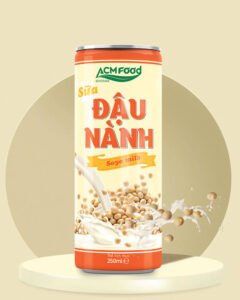


Custom beverage development is the process of turning a product concept into a formula a factory can reproduce consistently. It runs from the initial brief through laboratory formulation and prototype sampling to a specification that production can work from. The visible output is a sample you can taste. The valuable output is a documented specification that survives scale-up.
Most brands approach development expecting a creative process and encounter a technical one. Taste is where it starts and finishes, but between those points sit stability, process compatibility, ingredient availability and regulatory constraint. Understanding the shape of that process makes the difference between a project that converges and one that circles.
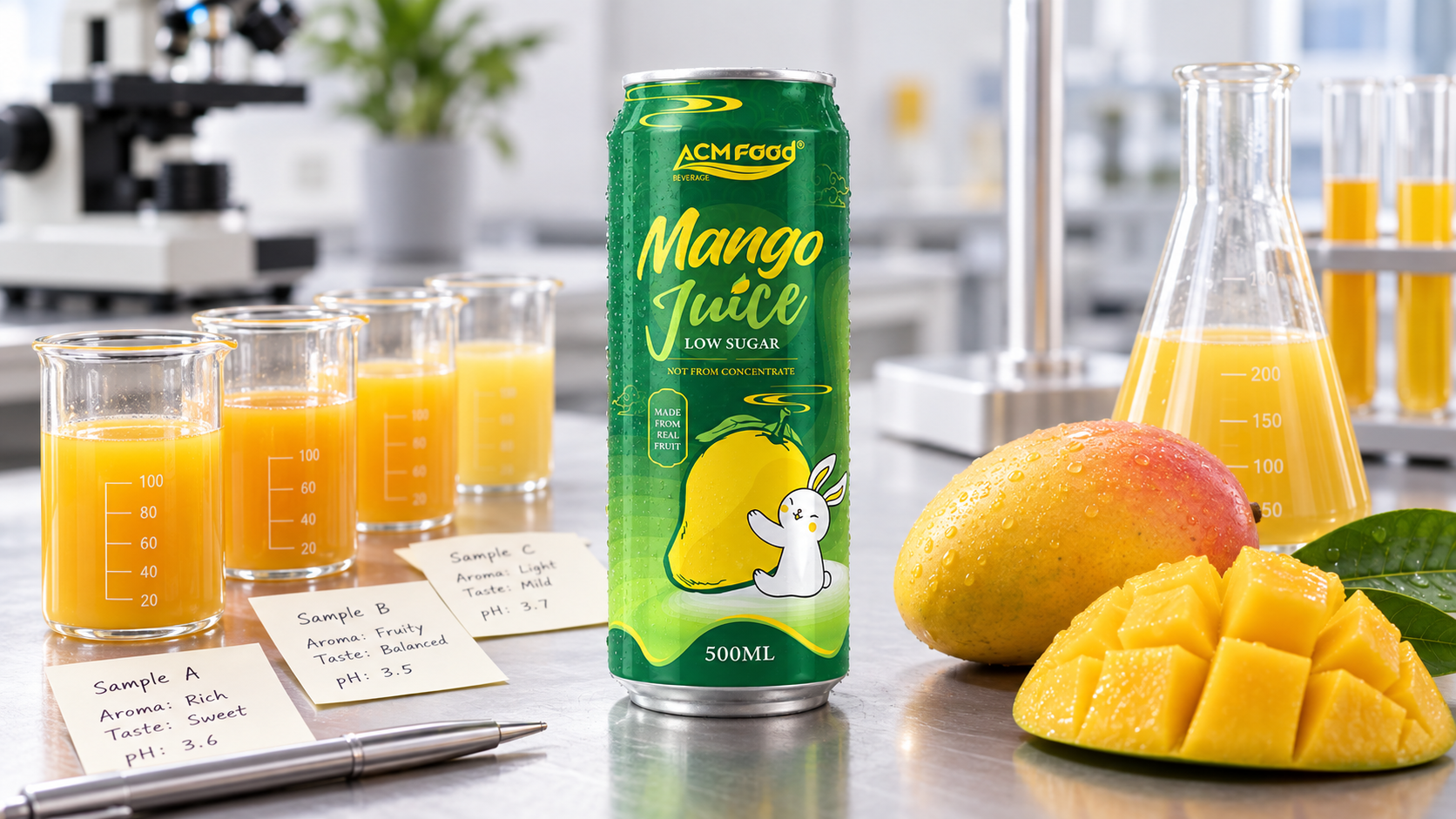
What happens between an idea and a sample?
Development typically moves through four stages: defining the target, building a bench formula, producing a prototype and validating that the prototype can be made at scale. Each stage answers a different question, and skipping one usually means returning to it later at greater cost.
The first stage is where most time is won or lost. A brief that names a reference product, a destination market and a price band lets a formulator work toward something specific. A brief built from adjectives produces a first sample that establishes little beyond the fact that more information is needed.
| Stage | Question it answers | What you receive |
|---|---|---|
| Brief and target definition | What exactly are we building, and within what constraints | An agreed target profile and parameter list |
| Bench formulation | Can this profile be achieved with available ingredients | A laboratory formula and a first assessment |
| Prototype sampling | Does it taste right, and what needs adjusting | Physical samples for evaluation |
| Scale-up validation | Will it behave the same way in production | A production specification and stability data |
How should a prototype sample be evaluated?
Evaluate a prototype against the shelf it will compete on, not in isolation. Taste it beside the reference product and beside the competitors it will sit next to, at the temperature buyers will actually drink it. A sample assessed alone in an office almost always reads differently from the same liquid in its real context.
Record reactions in comparative terms rather than absolute ones. Saying a sample is too sweet gives a formulator little to act on. Saying it is noticeably sweeter than the reference and should sit between the reference and a named competitor gives a direction that can be executed. The second formulation round is usually far more productive when feedback is framed this way.
- Taste in context. Compare against the reference and the shelf competitors together, not sequentially over several days.
- Serve at the right temperature. Sweetness and aroma perception shift substantially with temperature, so evaluate as the buyer will consume it.
- Involve more than one palate. Individual sensitivity to sweetness and acidity varies widely, and a single opinion can send a formula in the wrong direction.
- Separate preference from fit. Whether you personally enjoy the drink is a different question from whether it suits the target consumer.
- Note appearance and mouthfeel. Colour, clarity and body drive purchase and repeat purchase alongside flavour.
Why does a prototype need scale-up validation?
A bench formula proves a taste target is achievable. It does not prove the product can be manufactured. Heat treatment, filling temperature, line speed and packaging format all act on the liquid, and some formulas that perform well in a beaker behave differently under production conditions.
Texture inclusions and natural colours are the usual points of difficulty. Pulp or jelly pieces that suspend evenly in a small vessel may settle or distribute unevenly across a production run. Natural colours that look correct at mixing may shift over months in a format that admits light. Neither is a formulation failure, but both must be identified before commitment rather than after the first container ships.
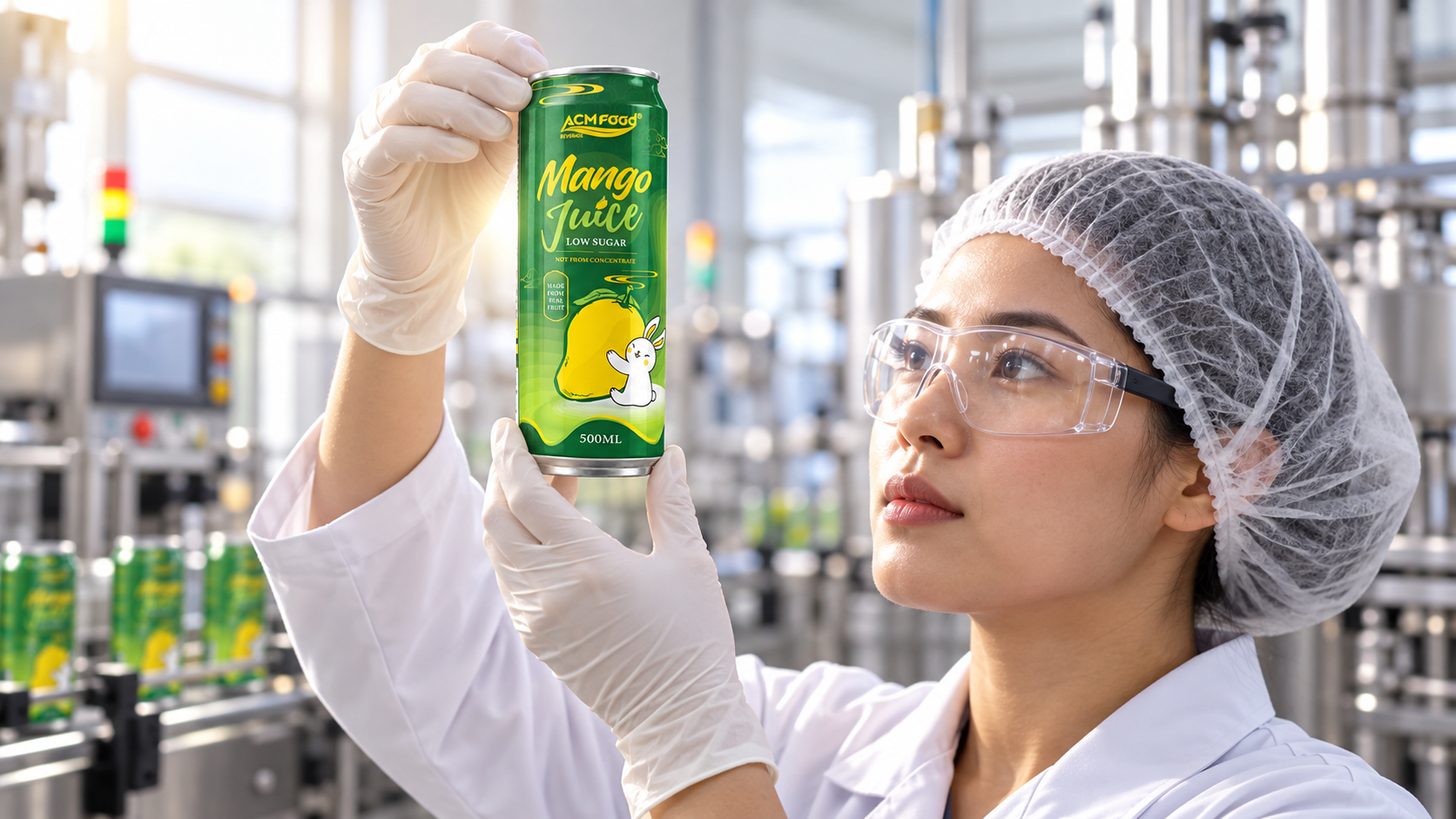
When is development worth the cost?
Development is justified when your commercial proposition depends on something no existing formula provides. That usually means a specific sensory target, an ingredient position such as reduced sugar that is not already produced, a texture the category lacks, or a claim that requires a particular composition.
It is not justified when an existing formula sits close enough that buyers would not perceive the difference. Development carries cost and, more significantly, time before any product ships. A brand with a fixed launch window and limited capital frequently gains more from selecting a proven formula and directing its budget toward distribution and design. The realistic comparison is total cost and time to first order, not formula quality in the abstract.
What to prepare before starting
Development moves faster when a small number of decisions are already settled. Each one narrows the formulation space and removes a round of clarification.
- A physical reference product the formulation team can taste.
- A clear statement of what should differ from that reference, and in which direction.
- Your destination market, which governs permitted ingredients and label wording.
- Your packaging format and size, since these constrain process and texture options.
- Your target retail price band, which sets the realistic raw material budget.
- Any ingredient that is mandatory or excluded, marked as absolute or preferred.
- Your launch date, so the schedule can be assessed honestly at the start.
The launch date belongs on that list rather than being revealed later. Validation is measured in elapsed time and cannot be compressed by commercial pressure, so a timeline that does not fit is better identified in the first conversation than in the last.
What documentation should you receive?
The most durable output of a development project is not the sample but the paperwork that allows the product to be reproduced, shipped and sold legally. A project that ends with an approved taste and no documentation has not finished.
What is required varies by destination market and product type, but the core set is consistent. Establishing early who produces each document, and when, prevents the common situation where a product is ready to ship and the paperwork is not.
- Product specification. The agreed parameters with their tolerance ranges, not only their target values.
- Ingredient declaration. The exact wording that will appear on the label, in the form required by your market.
- Shelf life basis. The stated shelf life together with the storage conditions and testing behind it.
- Certificate of analysis. Issued per production batch rather than once for the formula.
- Allergen statement. Covering both the formula and the production environment.
- Export documentation. The certificates your destination market requires at import, which differ by country and product category.
Tolerance ranges deserve particular attention. A specification that states single target values without acceptable ranges provides no basis for deciding whether a delivered batch conforms, which makes any later quality discussion difficult to resolve on evidence.
Where development projects usually stall
Projects rarely fail on formulation. They stall on decisions that were deferred, and the same few points recur across categories.
- A brief written in adjectives, which produces samples that cannot be evaluated against anything definite.
- A destination market chosen late, forcing a reformulation when a permitted ingredient turns out not to be permitted.
- Packaging format left open, which prevents stability validation from starting.
- Feedback gathered from too many people without a single decision-maker, producing contradictory direction between rounds.
- A launch date that was never tested against the validation schedule, discovered only when the schedule cannot absorb it.
- Ownership and exclusivity left undocumented until the formula is finished and the negotiating position has changed.
Each of these is resolved by a decision rather than by technical work, which is why the briefing stage repays attention out of proportion to the time it takes. A development project with clear constraints converges quickly. One without them tends to circle through sampling rounds that each answer a slightly different question.
How development cost is usually structured
Development cost and unit cost are separate, and conflating them produces misleading comparisons between routes. Development is largely a one-off investment made before any product ships, while unit cost is what you pay per case thereafter.
The one-off element typically covers formulation work, sample production and the testing needed to establish shelf life. Some manufacturers absorb part of this against a committed first order, others charge it separately, and the arrangement is worth clarifying early because it changes the shape of your cash requirement rather than only its size.
The comparison that matters for a new brand is total cost and elapsed time to first order, not unit price at volume. A custom formula may reach a lower unit cost at scale while requiring capital and months that a first launch cannot support. An existing formula may cost slightly more per unit and still be the stronger commercial decision, because it converts budget into stock and distribution rather than into development.
Setting out both figures side by side, with the timeline attached to each, usually makes the decision clearer than debating either in isolation.

Frequently asked questions
How many prototype rounds are normal?
More than one, and rarely more than a handful when the brief is specific. The first round establishes direction rather than delivering a finished product. Projects that run long usually do so because the target was described in impressions rather than parameters.
Can development start without a reference product?
It can, but it takes longer. A reference gives everyone the same sensory starting point and converts subjective description into comparison. Without one, the first round becomes an exploration of what the brief might have meant.
Who owns the resulting formula?
This depends on the agreement and should be documented before development starts. Arrangements differ on whether the formula may be offered to other customers, and assuming exclusivity without agreeing it in writing is a common source of later dispute.
Can a developed formula be changed after launch?
Minor adjustments are sometimes possible, but changes affecting stability, shelf life or the ingredient declaration require revalidation and new artwork. Resolving these questions during development is considerably cheaper than after production has begun.
Deciding whether to develop or select
Custom beverage development delivers a product built to your target and a specification you can scale. It costs development effort and elapsed time, and it only pays back when the resulting difference is one your buyers will actually perceive and value.
The decision is easier once you have tasted what already exists. If an available formula sits close enough, selecting it releases budget and time for the parts of the launch that differentiate you. If nothing comes close, the gap you have identified is precisely the brief a development team needs. Reviewing our production background gives a sense of the categories we work across, and you can share a development brief with our team once your reference, market and format are settled. Functional positioning is one area where briefs increasingly begin, as the demand behind products such as aloe vera juice in health-conscious markets shows.