
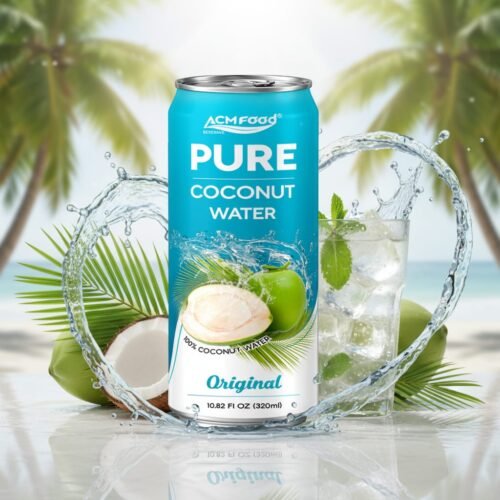

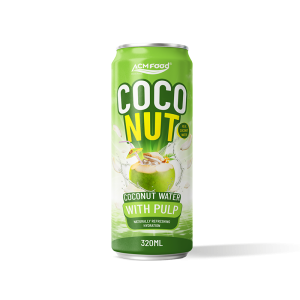
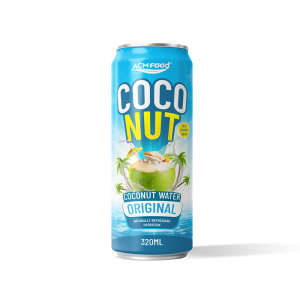
Plain coconut water is hard to differentiate. Once a buyer has checked the ingredient statement and the electrolyte content, most brands look the same and the decision falls to price. Adding real pulp changes that conversation entirely, because texture is something a shopper experiences rather than compares on a label.
Coconut Water With Real Pulp
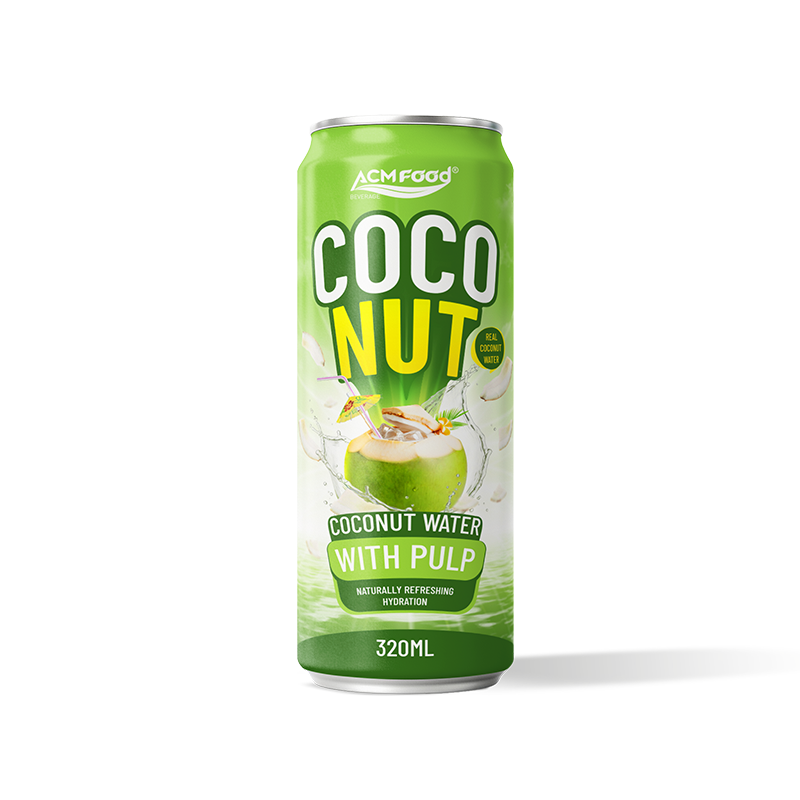
This version suspends pieces of tender coconut meat in coconut water drawn from young nuts, which is much closer to how the fruit is actually consumed at source. No sugar is added and no flavouring or colouring is used – the pulp contributes body and a mild richness that the clear version cannot. The electrolyte profile that makes coconut water a rehydration drink is unchanged; what changes is the drinking experience.
Texture and Packaging
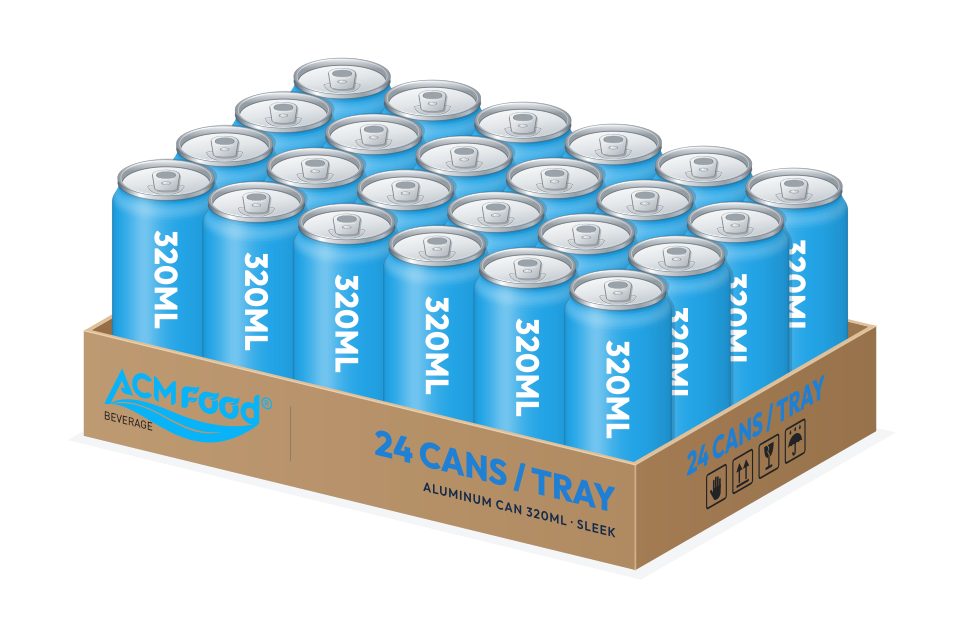
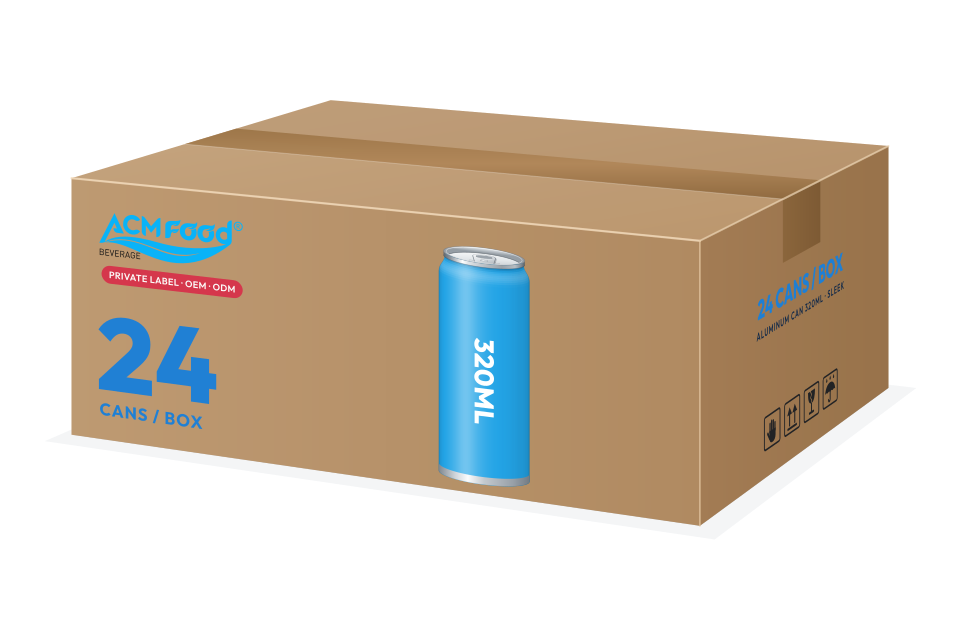
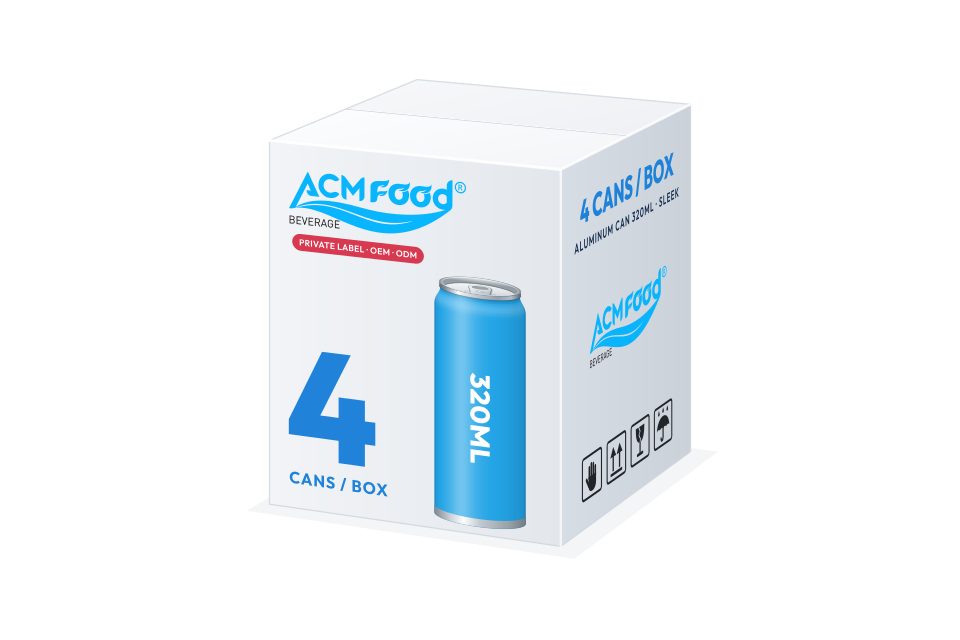
Suspended pulp needs a wide enough opening and a robust seal, and the 320ml sleek can provides both while keeping the premium shelf presence the category expects. Aluminium is fully opaque and gives 24 months of ambient shelf life, so the product ships and warehouses as a dry good with no cold chain until the retail cooler. On shelf, the pulp claim is what stops a shopper who would otherwise take whichever coconut water is cheapest.
Supply Terms
Production is in Vietnam near the coconut-growing regions, under FSSC 22000, HACCP and ISO 22000 certification, at up to 20,000 cartons per day with a 500-carton minimum order. Buyers can list this alongside the plain coconut water to cover both the price-led and the differentiated position from one supplier. OEM and private label services include pulp level, can artwork and market-specific labelling. Terms are T/T, loading at Ho Chi Minh City Port, lead time 15 to 30 days.