
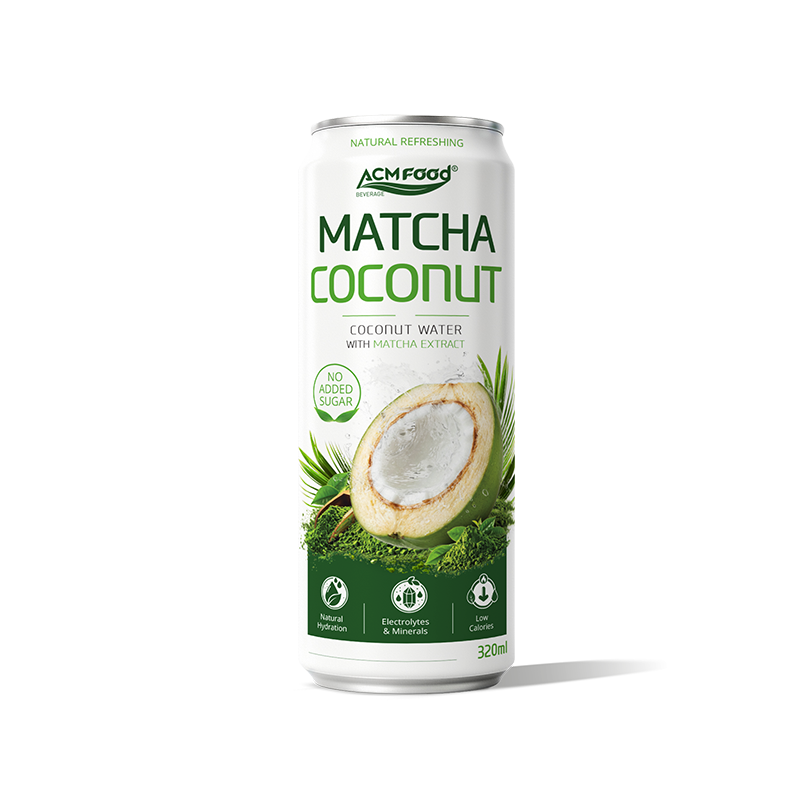

Matcha moved out of speciality cafes and into mainstream beverage several years ago, but most ready-to-drink versions are built on milk or heavily sweetened water. Pairing it with coconut water is a cleaner proposition: the natural minerality of the coconut carries the grassy bitterness of the tea without needing sugar to bridge the two.
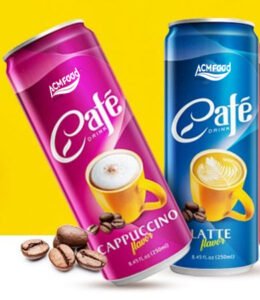
A Cafe Flavour in a Can
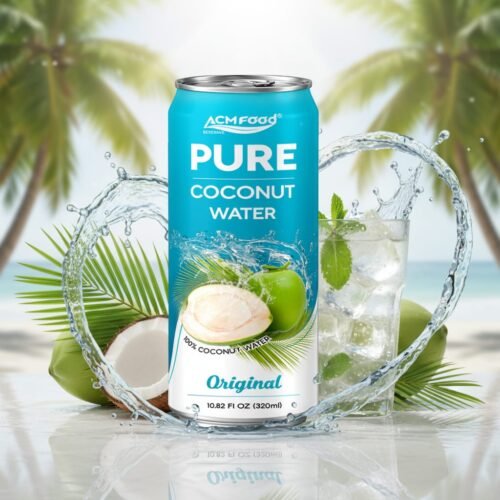
The drink uses matcha green tea powder dispersed into coconut water from young nuts. The result is a light, slightly vegetal drink with the electrolyte profile of coconut water and the recognisable colour of matcha – a combination that tests well with shoppers who already buy green tea but want something less sweet than bottled iced tea. No sugar is added and no artificial colouring is used; the tone in the can comes from the tea itself.
Format, Shelf Life and Merchandising
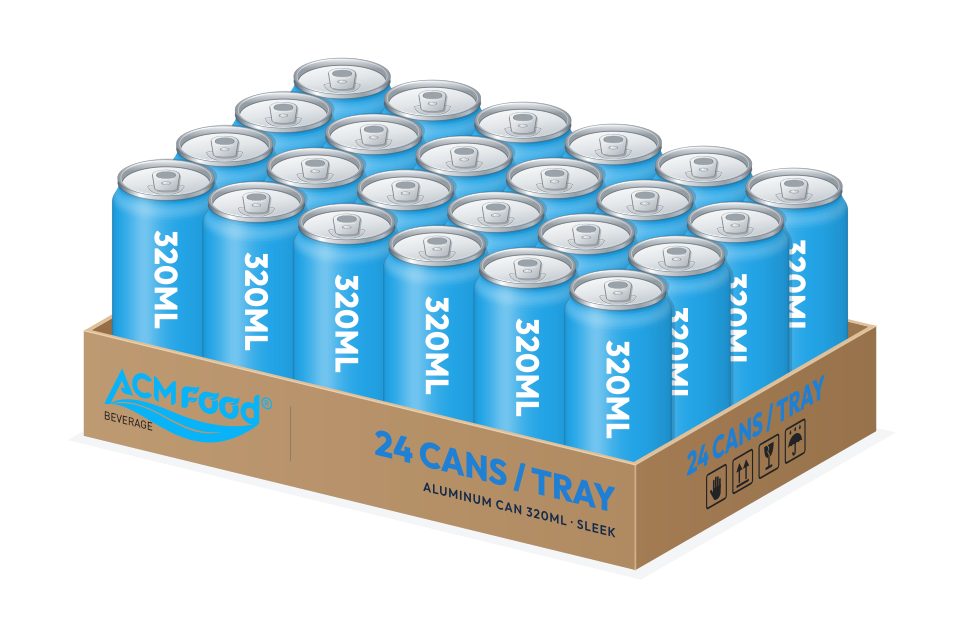
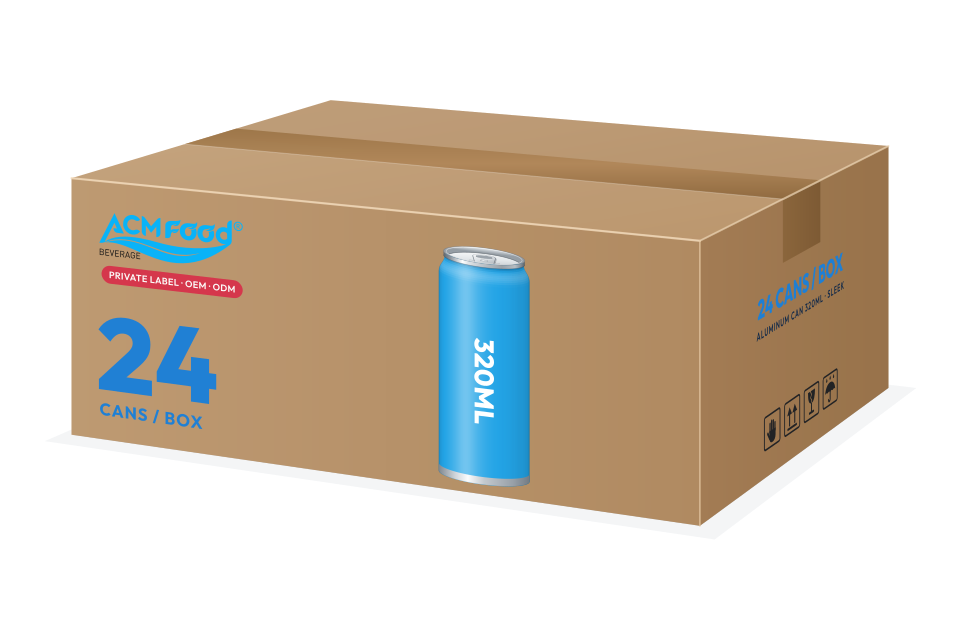
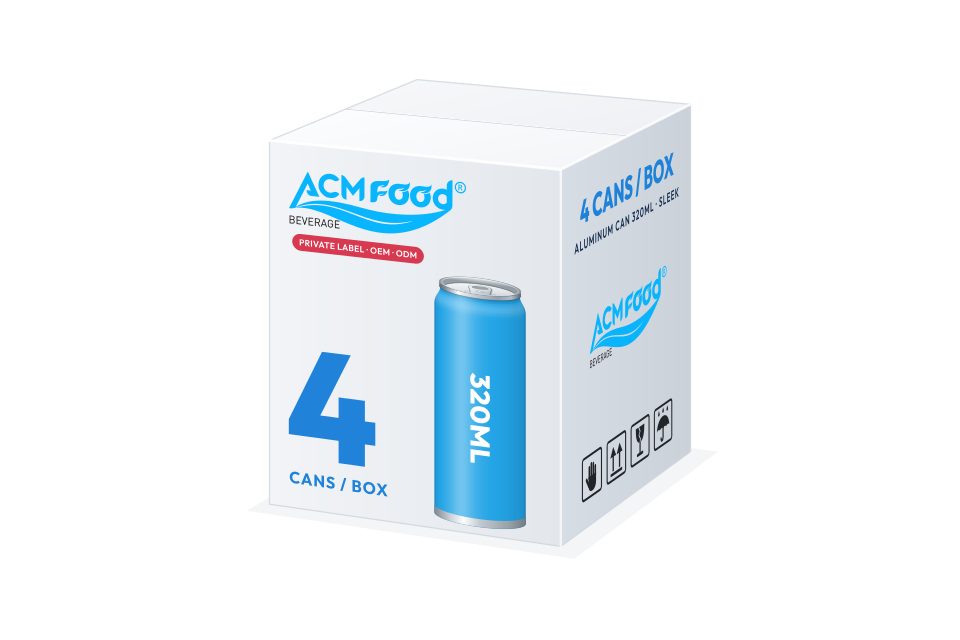
The 320ml sleek can is the format this category has settled on, and for practical reasons: matcha is light-sensitive and aluminium is completely opaque, while the slim profile fits the premium shelf position the flavour is priced into. Ambient shelf life is 24 months, so importers can stock the SKU without chilled warehousing and let retailers chill only at point of sale. The full can surface is printable for private label programmes.
Working With the Factory
ACM FOOD manufactures in Vietnam under FSSC 22000, HACCP and ISO 22000 certification, with output up to 20,000 cartons per day and orders accepted from 500 cartons. That entry point suits buyers testing a functional beverage line before scaling. OEM services cover matcha intensity, can design and destination-market label compliance. Payment is T/T, loading at Ho Chi Minh City Port, with 15 to 30 days lead time.